
Apprentice training rated strong by Ofsted
Apprentices with us become highly capable technical crafts people due to a “strong standard” of training, according to a new Ofsted report.
Inspectors say apprentices benefit from high-quality tailored curriculums that develop vital skills needed in the electricity distribution sector.
Most learners progress quickly and 99 per cent complete their training successfully, showing a high level of knowledge and skills in their practical work.
Staff are proud to work for the company and find it offers a supportive environment where leaders consider their wellbeing.
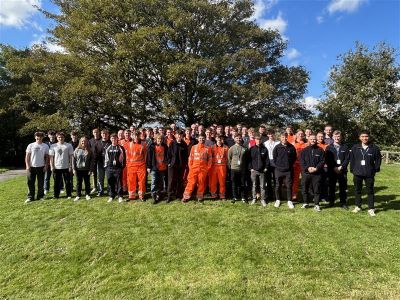
Ofsted’s assessment of our training provided at centres in Taunton and Tipton followed detailed inspections and conversations with apprentices, trainers, governors, leaders and line managers.
Michelle Patel, Apprenticeships Manager, said: “We are delighted Ofsted has recognised the passion, dedication and hard work that goes into our apprenticeship provision to ensure our apprentices receive consistently high-quality training from subject experts with extensive sector experience.
“Our curriculums are designed to prepare apprentices for a future where demand for electricity will double by 2050, and their skills will be essential to ensure our network can keep pace with our customers’ needs.”
Inspectors found the work of apprentices shows a thorough understanding of complex topics and key concepts essential for a successful engineering career.
For example, a level 4 electrical power networks engineer apprentice with no prior experience can connect electricity to a household within seven months, and within a year can safely shut down the network and access a substation to identify and report any faults.
Ofsted’s report says an enthusiastic approach to learning translates to a consistently high proportion of apprentices completing their studies, and almost all remain within the business at the end of training and far beyond, with many securing promotions.
Trainers provide apprentices with valuable feedback on their work, giving clear guidance on what apprentices have done well and which areas require improvement. We are judged to have a strong inclusive culture.
Apprentices facing learning barriers are quickly identified and supported, for example with assistive technologies like read-and-write software.
As the number of neurodiverse apprentices rises, trainers and workplace managers have received training to improve understanding of their needs.
Leaders are recognised for working closely with Bridgwater College and Loughborough College, which provide specific theoretical training, to ensure apprentices receive consistent, high-quality support for the academic elements of the programme. Our training team set high expectations for apprentices’ behaviour, attitudes, achievement and regard for safety.
Inspectors found training leaders “rigorously monitor the quality of education that apprentices receive” and continuously review it so it is “aligned with local, regional, and national skills priorities”.
Apprentices told inspectors they feel trusted by supervisors and managers in doing their work following training, which is noted as of a high standard.
In their report, inspectors said: “Apprentices enjoy their learning experience. They are highly motivated and feel supported in welcoming environments. They report a sense of belonging and are positive about completing their apprenticeships and moving into well-paid careers with plenty of opportunities for their future and further development.”
- About Us
- Operational